 By
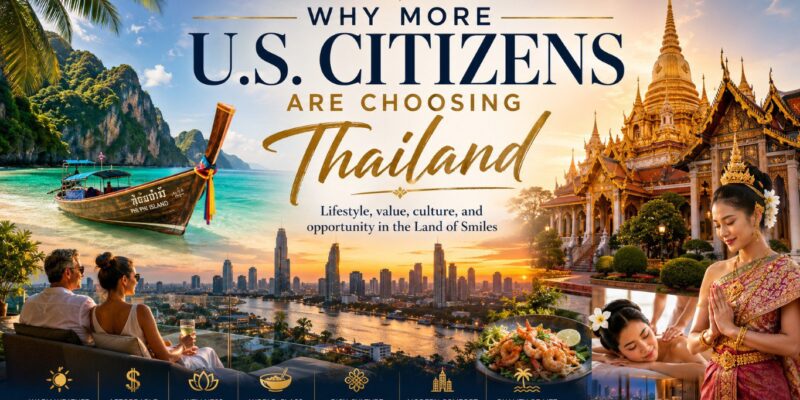
By Why More U.S. Citizens Are Choosing Thailand
Thailand is fast becoming one of the most considered relocation destinations for Americans seeking quality of life, financial freedom, and a globally connected base in Asia. New data from cultural-intelligence platform Country Navigator places Thailand among the ten most-searched relocation destinations for U.S. citizens, with roughly 30,560 annual searches recorded between March 2025 and February 2026. That demand reflects a broader shift: Thailand is no longer just a holiday memory — it is a credible long-term home.
From its world-leading capital to its idyllic islands and mountain retreats, Thailand offers what few destinations can match — a sophisticated infrastructure layered over an unmatched lifestyle, all at a fraction of U.S. living costs. Thailand Elite, the country's official long-stay residency program operated by Thailand Privilege Card (a state enterprise under the Tourism Authority of Thailand), is at the center of that movement, offering 5- to 20-year multi-entry visas designed precisely for the entrepreneurs, retirees, families and remote professionals now arriving in record numbers.
A Country Built for Modern Expats
Thailand combines first-world infrastructure with Southeast Asian warmth. The kingdom ranks ahead of the United States on the Global Peace Index — 92nd compared to the U.S. at 131st — and Numbeo's Crime Index records Thailand at a low 37.77, making it statistically one of the safest places to live in Southeast Asia. Private healthcare meets international standards, internet connectivity is among the fastest in the region, and English is widely spoken across business, hospitality and healthcare.
For Americans, the math is compelling. According to multiple expat-finance analyses, the cost of living in Thailand is roughly 2.7 times lower than in the United States, with rent in major cities running 40–70% below comparable U.S. urban markets. A single American can live comfortably on USD 2,000–3,000 per month, while couples and families enjoy a lifestyle that would cost three to four times more in California, New York or Florida.
Tax planning also favors U.S. citizens abroad. The U.S.–Thailand tax treaty (in force since 1998) prevents double taxation, and qualifying Americans can exclude up to USD 130,000 of foreign earned income for tax year 2025 under the Foreign Earned Income Exclusion.
A Premier Destination for International Families
For relocating families, Thailand's education ecosystem is a major draw. The kingdom hosts 36 IB World Schools, with the largest concentration in Bangkok. Flagship institutions deliver American, British and IB curricula at globally competitive standards:
- International School Bangkok (ISB) — founded in 1951 on the grounds of the U.S. Embassy; the first international school in Thailand, offering U.S., AP and IB programs.
- NIST International School — Bangkok's first full IB World School (PYP, MYP, DP), serving over 1,800 students from 77 nationalities.
- KIS International School — a full IB continuum with a new 60-acre Reignwood Park campus opened in 2024.
- Regent's International School Bangkok — Nord Anglia network, with alumni at Yale, UCL, LSE and Imperial College.
- St. Andrews International (S107) — full IB Diploma and Career-related programmes in central Bangkok.
- British International School Phuket — boarding and day options on the Andaman coast.
Dulwich College International School Bangkok is scheduled to open in August 2026, further deepening Thailand's premium-education landscape.
Where Americans Are Settling
Bangkok — The World's Most Visited City
Bangkok was confirmed as the world's most visited city in 2025 by Euromonitor International's Top 100 City Destinations Index, with 30.3 million international arrivals — ahead of Hong Kong, London, Macao and Paris. For Americans, that translates into a global capital with unmatched air connectivity, a deep luxury hospitality ecosystem (Four Seasons, Mandarin Oriental, Capella, Ritz-Carlton, Park Hyatt, Rosewood, Aman, Waldorf Astoria), and the most predictable long-term rental and coworking infrastructure in the kingdom.
It is also Asia's most exciting dining capital. The 2025 MICHELIN Guide Thailand features 462 establishments, including the country's first three-Michelin-starred restaurant, Sorn, alongside seven two-starred restaurants and 28 one-starred venues — most clustered in greater Bangkok. A meal at a Bangkok Michelin restaurant typically costs a fraction of what an equivalent New York or San Francisco experience would command.
Phuket — Island Living with Global Connectivity
Phuket pairs Andaman-coast beaches with a fully international airport, deep marina infrastructure and a mature expat ecosystem. Premium villa communities, international hospitals and reputable IB schools make it a natural base for U.S. families and entrepreneurs who want sea views without sacrificing connectivity.
Koh Samui — Boutique Island Lifestyle
Samui offers a slower, more curated island life — boutique resorts, wellness retreats, and a thriving creative community. It appeals strongly to U.S. retirees, remote-working couples and digital entrepreneurs who want tropical surroundings with a refined, low-key footprint.
Pattaya & Jomtien — Coastal Living Two Hours from Bangkok
Often discussed for nightlife, Pattaya and neighboring Jomtien are increasingly recognized for what residents actually choose them for: world-class golf (the Eastern Seaboard hosts some of Asia's top-rated courses), yachting and marina life at Ocean Marina, accessible beachfront condominiums, and an easy drive from Bangkok's Suvarnabhumi Airport.
Chiang Mai — The Northern Lifestyle Capital
Bangkok's quieter, cooler counterpart. Chiang Mai has become a global hub for entrepreneurs and digital nomads, offering a markedly lower cost of living, a deep wellness culture, and one of Asia's strongest remote-work communities.
Hua Hin — A Royal Seaside Retreat
Long favored by the Thai royal family, Hua Hin offers a relaxed seaside lifestyle three hours from Bangkok, with golf, equestrian estates, international hospitals and growing international school options — a particular favorite among American retirees.
The Best Lifestyle Per Dollar in the World
Few destinations offer the breadth Thailand does at the price point Thailand commands. A street-food meal can cost under USD 3; a Michelin-starred tasting menu in Bangkok ranges from roughly USD 100–230. Private healthcare at internationally accredited hospitals such as Bumrungrad or Samitivej costs a fraction of U.S. equivalents. Domestic flights, transport and household help remain remarkably affordable.
Whether the priority is family education, business expansion, retirement, or remote-work flexibility, Thailand consistently delivers more lifestyle per dollar than any comparable destination in Asia, Europe or the Americas.
A Two-Step Recommendation for Americans Considering the Move
Step 1 — Visit first. We recommend an exploratory trip of at least 10 to 15 days, combining two or three cities to understand which lifestyle fits — for example Bangkok plus Phuket, or Chiang Mai plus Koh Samui. U.S. passport holders enjoy 3-day visa-exempt entry (with a 30-day extension available), giving ample time to scout neighborhoods, tour schools and meet the expat community.
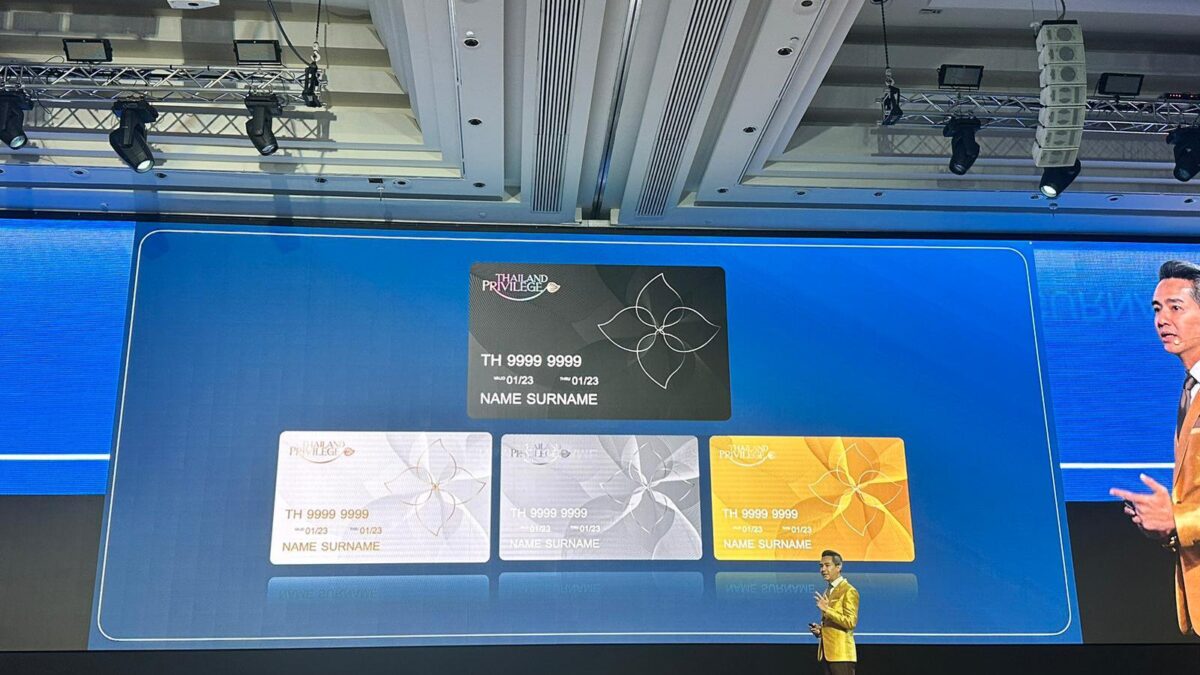
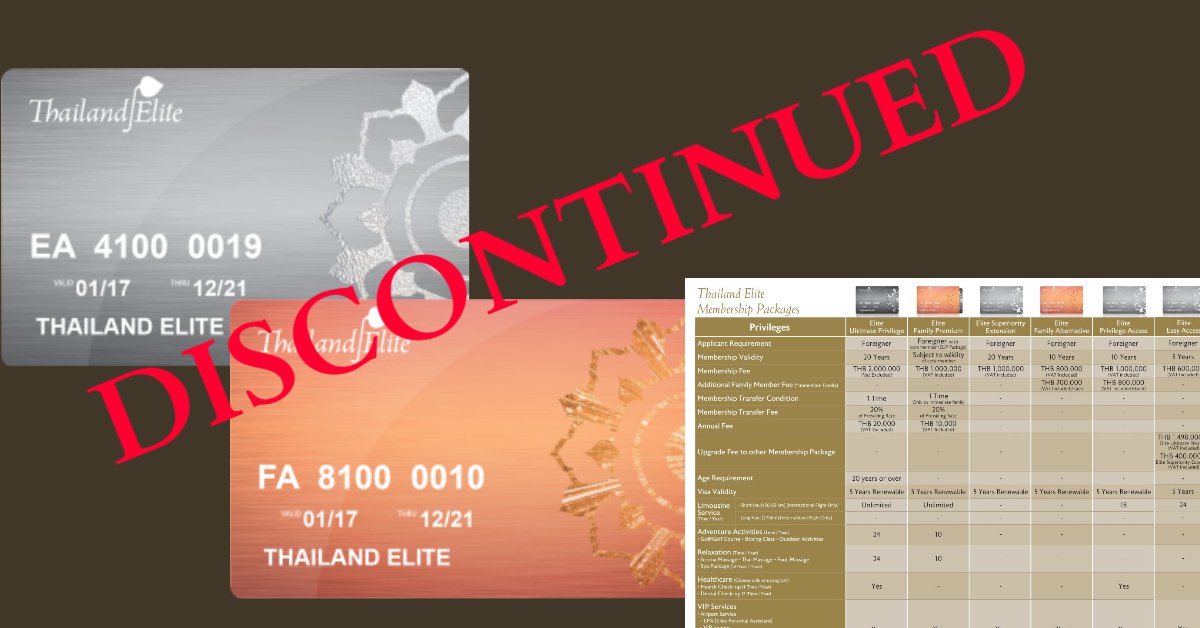
Step 2 — Apply for Thailand Elite. Once convinced, Americans can secure long-term residency through the Thailand Privilege Visa (Thailand Elite), the government program offering a guaranteed 5-, 10-, 15- or 20-year renewable multi-entry visa. Benefits include fast-track immigration, an Elite Personal Assistant, airport lounge access, assistance with 90-day reporting, driver's license and bank account opening, and a Privilege Points ecosystem covering spa, dining, golf and wellness. Memberships start at THB 650,000 (approximately USD 21,000) for the Bronze tier — the entry-level application window has been extended to 30 September 2026.
There is no income test, no age limit, no Thai bank deposit requirement, no employer sponsorship — a one-time membership replaces years of renewals and immigration paperwork.
"Americans are not just visiting Thailand anymore — they are choosing to build their lives here. Thailand offers a rare combination: safety, world-class healthcare, international schools, an extraordinary food and lifestyle culture, and the financial freedom to make a U.S. dollar go further than almost anywhere else. Thailand Elite exists to make that transition seamless."
— Thailand Elite spokesperson
About Thailand Elite
Thailand Elite, officially the Thailand Privilege Card, is the kingdom's premier long-stay residency program. Launched in 2003 and operated by Thailand Privilege Card. — a fully owned subsidiary of the Tourism Authority of Thailand under the Ministry of Tourism and Sports — the program serves more than 40,000 members worldwide across five tiers: Bronze, Gold, Platinum, Diamond and Reserve.